
My suburban backyard vegetable garden: how I grow, what I believe, and what you’ll find here

I plant with a plan, pivot with the weather, and pretend aphids are just extra protein.
- Why I started growing my own food
- From balcony boxes to full backyard beds
- Learning by doing – my first community gardens
- Building a garden in Germany – climate, culture, and compost
- How I garden now – space, timing, and realistic goals
- My approach to no-dig or low-dig gardening
- Pest pressure and natural balance
- The myth of the perfect garden
- What I’ve learned – and still learn – each year
- If you’re just starting, here’s what matters
- What comes next in the garden blog
Why I started growing my own food
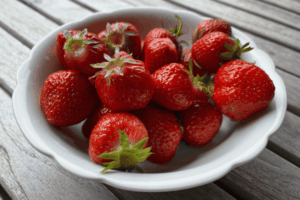
We didn’t have a vegetable garden when I was a kid, but my great-grandmother had one and both sets of grandparents did, too. My grandpa gave me fresh strawberries straight from the plants. Even though I wasn’t especially interested in gardening at the time, those early experiences planted a seed. I just didn’t know it yet.
The idea really took root when I was in graduate school. One of the women in my lab often talked about her garden. She and her husband would cook these beautiful meals with ingredients they’d grown themselves. I remember listening to her talk about what was growing, what they were harvesting, what they were cooking, and something inside me lit up. I just knew it: I wanted a garden. I wanted to grow food.
It wasn’t just about tomatoes or spinach. I wanted to be part of that process. I wanted to eat food that I had grown with my own hands.
From balcony boxes to full backyard beds
Before we had a proper garden, we grew food in containers. While we were on the waiting list for a community garden plot in Connecticut, I couldn’t wait. I started growing summer squash and cucumbers in large pots next to the back steps. It wasn’t much, but it was something.
I still think container gardening is a great way to begin, especially if you don’t have access to land. A sunny balcony or terrace can grow more than you’d expect. And sometimes, those little pots are the first step toward something much bigger.
Learning by doing – my first community gardens
Our first real garden was a rented plot in a community space in New Haven, Connecticut. We followed the square-foot gardening method and built slightly raised beds inside wooden frames. We amended the soil with everything the books said we needed: compost, peat moss (I now know not to use peat moss!), vermiculite, and started planting.
Some of the things we grew were a big success, like the tomatoes, sunflowers, and sweet potatoes (even though we accidentally stabbed half of them while digging them up). Others, like okra, just flopped for reasons unknown. It wasn’t a perfect garden, but it was a productive one. And more than anything, it was ours.

When we later moved to California, we started over with a new plot. The climate was completely different – sunny and dry with absolutely no rain at all for months at a time, and no frosts either. That’s where we met our first garden pests – snails, aphids, and even more aphids. I tried a homemade garlic-and-chili spray that stunk up the garden and didn’t seem to help much. We even bought live ladybugs once, hoping they’d clean up a brussels sprout infestation. They wanted no part of it.
But we also had bumper crops of sugar snap peas, kale, carrots, and enough spaghetti squash to line the corner of our living room for the entire winter. And there was something special about stopping by the garden before work to pick tomatoes for office lunch sandwiches.
Those years taught me the most important gardening lesson: you learn by doing. Not everything works, and that’s okay. The harvest comes anyway.

Building a garden in Germany – climate, culture, and compost
When we first moved to Germany, we didn’t have a garden. We lived in an apartment: no yard where we could plant things, no garden beds, just a sunny balcony and a strong desire to grow something.
We grew quite a few different things: cherry tomatoes, zucchini, potatoes, herbs, beets, even radishes and carrots. We used different types of containers, including plastic tubs, fabric grow bags, and whatever pots we had around. Some experiments ended up better than others, but there was often something green and growing. I learned you don’t need a big plot to grow real food. You just need light, water, and a little determination.
When we bought a house, one of my non-negotiables was that it had to have garden space. What we found was better than we hoped for: an old garden with defined beds, fruit trees, and berry bushes, just waiting to be brought back to life. It had been neglected for a bit, but the structure was still there. We cleared the weeds, worked around the paving stones, and realized: this was going to be our garden.
We didn’t till the soil. Instead, we pulled out the perennial weeds by hand. That slow, deliberate work let us keep the soil structure intact and gave us a clean slate. We’ve followed a no-dig or low-dig method ever since, adding compost on top, letting the worms do the work.
Here (and these days, too) the climate is just a moving target. Some years bring steady summer rain, others bring heat waves and drought. Sometimes we have an early frost, and sometimes barely any frost at all. So we try to grow with flexibility. This means choosing resilient crops, planning for multiple harvest windows, and never expecting the weather to stay the same two years in a row.
We compost nearly everything, and we produce over a cubic meter of rich, usable compost each year. We return it to the garden bed by bed, building life back into the soil. And each season, we’re not just harvesting, we’re rebuilding.

How I garden now – space, timing, and realistic goals
These days, my garden rarely looks “done.” At any given moment, some beds are bursting with vegetables, some are freshly harvested and ready for the next crop, some waiting to be removed, and some have just been planted. That’s how I like it.
I garden in stages, planning not just for what I want now, but for what we’ll need in fall, winter, and early spring. That means holding back space for cool-weather crops, starting seedlings while the current bed is still full, and sometimes pulling something early to make room for what comes next. It’s a kind of crop rotation, but more fluid – guided by the seasons, our eating habits, and what worked (or didn’t work) last year.
Some things are wildly successful. Others fail. I’ve learned not to chase perfection. I don’t need a photo-ready garden. I need food. I’ve also learned to pivot. If the tomatoes don’t thrive, I plant cucumbers. If one bed is empty, I tuck in some radishes or lettuce. There’s always something growing.
What matters most to me now is rhythm. A steady hum of planting, harvesting, and feeding the soil. The garden is never static, and that’s part of the joy.
My approach to no-dig or low-dig gardening
When we bought our house, we were still living in another town, and before we even started renovations, we started gardening. For a year and a half, we drove in on weekends to work in the garden. Since we couldn’t be here every day, we knew we had to be strategic.
Most no-dig gardeners lay cardboard over the ground, cover it with compost, and start planting. It’s a great method, simple and effective if you can stay on top of weeds that break through. But we had a problem: this garden had been left to itself for a few years, and it was full of deeply rooted perennial weeds and runaway strawberry plants.

Strawberries, lovely as they are, don’t respect boundaries. They’d spread everywhere, and cardboard will not hold them back. Same with dandelions. So we took the slower path and pulled weeds by hand. Not just a few, but as much as we could, bed by bed. Once the major pressure was cleared, we laid cardboard, added compost, and planted.
We’ve never tilled. Each season, we add compost on top and let the worms and rain do the rest. The results speak for themselves: good soil, low weed pressure (as long as we keep the new ones from setting seed), and a system we can sustain long-term.
We didn’t follow the no-dig playbook exactly. But we followed the principles and adapted them to our situation.
Pest pressure and natural balance
Every garden has pests. That’s just reality. What I’ve learned is that not every pest problem needs a pesticide – or even a reaction. Sometimes the best thing you can do is wait.
Most years, something in our garden gets overwhelmed by aphids. And most years, I let it happen, at least for a little while. That gives the beneficial insects time to find their dinner. Ladybugs, hoverflies, and lacewings can’t help you if there’s nothing there for them to eat. But once they show up, they get to work.
It’s incredibly satisfying to carefully move a single hoverfly (or ladybug) larva onto a seedling covered in aphids and return two days later to find the plant clean – and the larva fat and happy.
If something’s really struggling, I’ll rinse off aphids with water to manually reduce the population. I’ve also experimented with natural sprays, but I try to avoid using them if possible. My goal is to support balance, not control everything.
We plant in a way that encourages natural resilience: diverse crops, healthy soil, and a garden that welcomes birds and insects. It’s not always perfect. But overall, it works.
The myth of the perfect garden
It’s easy to think everyone else’s garden looks better than yours, especially if you spend any time on social media. The photos show perfect tomatoes, spotless kale, neat rows, and not a weed in sight. But here’s the truth: that’s not what real gardens look like.
In real gardens, there are weeds between the rows. There are aphids on the beans. The spinach gets leggy. The tomatoes get a little blight. And yet, the harvest still comes.
Perfection isn’t the goal. The goal is food.
I’ve learned to stop worrying about blemished leaves and less-than-photogenic beds. What matters is what comes into the kitchen – the flavor, the freshness, the satisfaction of eating something you grew yourself. That’s the real beauty, and it never needs a filter.
What I’ve learned – and still learn – each year
Every year, I learn something new in the garden, and I write it down. I keep a note on my phone titled “Garden Lessons Learned This Year” and it’s full of tiny victories, small disasters, and helpful reminders to next-season’s me.
Plant this earlier. Wait a bit longer on that. Don’t forget to prop up the beans in time. Grow more of what tasted amazing. Maybe skip the okra and butterbeans next year.
Last year we harvested 27 butternut squash. It was great until I realized that’s enough to eat ½ every week – for a whole year. I preserved a lot of them, but it taught me something important: grow what you need, and know when you’ve grown enough.

That’s one cool thing about gardening: you don’t just get food, you also get feedback. Each season is a fresh start, informed by everything you learned the last time and the time before that. You get to improve without pressure. And that’s one of the most satisfying parts of it all.
If you’re just starting, here’s what matters
Start small. Grow something you love to eat. And don’t worry if it doesn’t look perfect.
Your first garden doesn’t need to be big, and it definitely doesn’t need to be flawless. A few pots on a balcony or a single raised bed can teach you more than any book. You’ll learn how your space behaves: how much sun it gets, how quickly it dries out, what pests find their way in. You’ll learn what it feels like to wait, to harvest, to taste.
Some things will thrive. Others might fail. That’s not a reason to quit. It’s part of the process. What you’re building isn’t just a garden; it’s a relationship with your space, your food, and your own attention.
Focus on crops that grow well in your region. Start with herbs, greens, or fast growers like radishes and beans. Choose what you actually want to eat. And when in doubt, plant a little bit of several things and see what happens.
Most of all, remember this: you get a fresh start every year. And every mistake this season becomes next year’s improvement.
What comes next in the garden blog
I’m launching this blog at the end of summer, long after most seeds have been sown and many harvests are already underway. But that timing is intentional.
It gives me space to reflect on what worked this year, what didn’t, and how I plan for the seasons ahead. And it gives you time – to absorb, reflect, and start shaping your own garden for next year.
Over the coming weeks and months, I’ll be sharing how I map out my garden seasonally, what crops I grow for preserving, and how I make use of small spaces and shifting climates. I’ll walk you through composting, weed control, and what it looks like to keep a garden producing year-round, even in unpredictable weather.
If you’re working with containers, there’ll be posts for that too – from balcony tomatoes to radishes in pots.
This blog isn’t about perfection. It’s about growing real food, in real spaces, on a real schedule. Whether you’re just beginning or looking for new strategies, I hope what you find here helps you grow smarter and enjoy it more.
Free 7-lesson course + newsletter
Canning Science Foundations
Seven short lessons on the biology behind home canning: why the rules exist, what actually keeps food safe, and how to look at any recipe and see where the safety lives (no chemistry degree required). Finish them and you stay on for the newsletter: seasonal harvests, kitchen experiments, and the science behind each one.

Julie Kaiser is a molecular biologist and science writer who has lived in Germany since 2011. She spent over a decade in virology and national security research labs before becoming a professional science writer. She came to German water bath canning the way scientists come to most things: by reading the primary sources and deciding the evidence held up. Old World Preserves is where she writes about what she’s learned and what she’s growing, cooking, and preserving in her Lower Rhine garden.