Roasted Red Pepper & Tomato Soup
A Few Notes and Lessons LearnedFresh vs. Frozen Tomatoes: I used a mix of both. Frozen tomatoes were thawed overnight to easily remove skins, seeds, and excess juice (keep the juice for diluting the soup later!). Fresh tomatoes were roasted cut-side up.Texture: Straining the puree removes seeds and skins for a velvety texture.Consistency Warning: I’ve tried twice to can this as a thick concentrate, but it siphoned both times, even with ample headspace. I recommend diluting to soup consistency before processing.Roasting & Concentration: For this batch, I started with about 12.5 kg (28 pounds) of produce and roasted it down to 5.8 kg – concentrating the volume by more than a factor of two. Then I added about 4 liters of water back. It might seem strange to drive off all that moisture only to add water back later, but this is the secret to the soup’s flavor. That heavy reduction allows the natural sugars to develop and caramelize in a way that quick cooking can’t achieve. You could make this soup without concentrating it so heavily, but you would miss out on that incredible roasted depth.
Ingredients
Ingredients (large batch for canning – makes about 10 liters)
- 7.2 kg (16 pounds) Tomatoes (fresh or frozen/thawed)
- 4.7 kg (10.5 pounds) Red Bell Peppers
- 350 g Onions peeled/chopped
- 2 Large Elephant Garlic cloves or 1 head regular garlic
- 300 g Tomato Paste optional, for more tomato flavor
- Water or juice from the frozen tomatoes for thinning
- Seasonings: Garlic powder Salt
Ingredients (small batch for immediate enjoyment – about 2 liters)
- 1.5 kg (~3.5 pounds) Tomatoes (fresh or frozen/thawed)
- 1 kg (~2.2 pounds) Red Bell Peppers
- 1 Large Onion peeled/chopped
- 1 Large Elephant Garlic clove or 2 cloves regular garlic
- 60 g 4 tablespoons Tomato Paste (optional, for more tomato flavor)
- Water or juice from the frozen tomatoes for thinning
- Seasonings: Garlic powder Salt
Instructions
Part 1: Roast and Char
- Roast: Preheat your oven to 200°C (400°F). Place the tomatoes, onions, and garlic in a big roasting pan. Roast until the vegetables are soft, sweet, and concentrated.
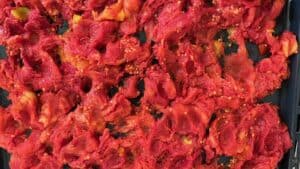
- Deglaze: Don't lose the best part! When you take the tomatoes out of the oven, check the pan for brown, caramelized bits stuck to the bottom. This is pure flavor. Pour a little water or tomato juice onto the hot baking sheet to 'deglaze' it, scrape up all those sticky bits, and combine that liquid with everything else.
- Char: While the tomatoes are roasting, char the bell peppers on a grill until they are blackened on all sides.
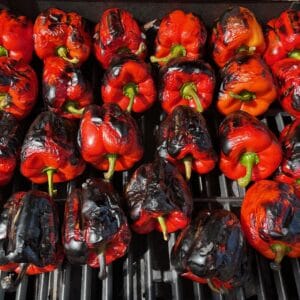
- Steam: Place the hot, charred peppers into a big bowl and cover it tightly. Let them steam and soften completely.
- Peel: Once they are cool to the touch, remove the charred peels, seeds, and cores.
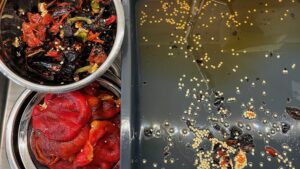
Part 2: Puree and Strain
- Blend: Combine the roasted tomato mixture, the peppers, and the tomato paste in a high-speed blender. Note: The mixture will be very thick. Add some reserved tomato juice (if you started with frozen tomatoes) or a splash of water to help the blender process the mixture completely and evenly.
- Strain: Run this puree through a strainer to remove larger pieces of seeds and skins.Tip: I use a standard wire mesh strainer and a round metal ladle to push the puree through quickly.
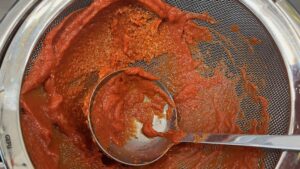
- Dilute & Season: Add water to the strained puree until it reaches a proper soup consistency. Season to taste with salt, garlic powder, and pepper.
Part 3: Preservation (German Water Bath Method)
- Fill: Fill your clean canning jars with the soup, leaving 2 cm of headspace.Note: If you are not familiar with German water bath canning (which differs from US guidelines), please check my other posts to make sure you have all the safety details and procedures in place.
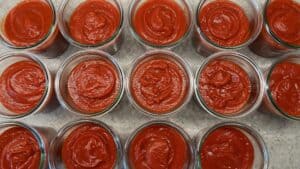
- Process: Place jars in a water bath canner. Process for 120 minutes at 100°C (212°F).
- Cool Down: Once the processing time is up, turn off the heat but leave the jars in the water for 5 minutes. This lets the temperature stabilize and helps prevent siphoning when you remove them.
- Rest: Remove the jars carefully and place them in a non-drafty spot to cool completely undisturbed.
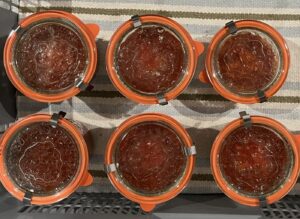
- Check Seals: After at least 12 hours (and less than 24), remove the clamps or rings (depending on your jar type) and check your seals.If a jar didn't seal: You can reprocess it if it has been less than 24 hours, or store it in the fridge to eat within the next few days.
How to Serve
- Open & Inspect: Open the jar and ensure there are no visual signs of spoilage.
- Boil: Pour the soup into a pot and boil hard for 10 minutes. (This is a standard safety practice for this type of canning).
- Balance the Flavor: Roasted peppers can sometimes bring a bitter note, so taste your soup and balance this if needed by playing with sweet, salty, and sour elements:Creaminess: I like to add a splash of heavy cream to smooth out the flavor.Acidity: A dash of balsamic vinegar can add depth and sweetness.Too Sour? If the tomatoes made the soup too acidic, add a tiny pinch of baking soda to neutralize it.
Tried this recipe?Let us know how it was!